
What Is a Medicinal Garden?
A medicinal garden — sometimes called a "physic garden" or "apothecary garden" — is a dedicated growing space where you cultivate plants specifically for their healing properties. This is not a new concept. For thousands of years, civilizations around the world have maintained herb gardens as their primary healthcare system. Medieval monasteries had their "infirmary gardens," Native American tribes cultivated healing plants near their settlements, and Chinese medicine has relied on cultivated herbs for over 5,000 years.
Today, medicinal gardening is experiencing a massive resurgence. With rising healthcare costs, concerns about pharmaceutical side effects, and a growing desire for self-sufficiency, millions of Americans are turning back to the garden as their first line of defense for common health issues. A well-planned medicinal garden can provide remedies for pain, inflammation, infections, digestive problems, sleep issues, anxiety, skin conditions, and immune support — all from plants you grow yourself.
Why Grow Your Own Medicinal Herbs?
There are compelling reasons why growing your own medicinal herbs is superior to buying them from stores:
Freshness and Potency: Freshly harvested herbs contain the highest concentration of active medicinal compounds. When you buy dried herbs from a store, they may have been sitting in warehouses and on shelves for months or even years, losing potency with each passing day. Studies show that some herbal compounds degrade by up to 50% within six months of drying. When you grow your own, you harvest at peak potency and use them immediately or preserve them properly.
Purity and Safety: When you grow herbs in your own garden, you know exactly what goes into the soil and onto the plants. There are no hidden pesticides, herbicides, heavy metals, or contaminants. Commercial herbs — even those labeled "organic" — may have been grown in questionable conditions or processed in facilities that handle allergens. Your garden gives you complete control over quality.
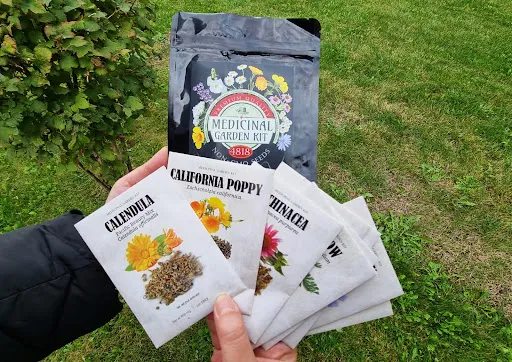
Cost Savings: A single bottle of Echinacea tincture costs $15-25 at health food stores. A packet of Echinacea seeds costs a few dollars and produces plants that generate pounds of medicinal material every year for many years. Over time, the savings from growing your own herbs versus buying supplements can amount to hundreds or thousands of dollars.
Availability: Your garden is available 24 hours a day, 7 days a week, regardless of store hours, supply chain issues, or pandemics. When you need a remedy — whether it's 2 AM on a Sunday or during a winter storm — your medicine is steps away from your back door.
Understanding Herbal Remedies: Tinctures, Salves, and Teas
Once your medicinal garden is growing, the next step is learning how to transform your fresh herbs into effective remedies. The three most common forms of herbal medicine are:
Herbal Teas (Infusions and Decoctions): The simplest form of herbal medicine. Pour boiling water over fresh or dried herbs and steep for 10-15 minutes for an infusion. For roots and bark, simmer in water for 20-30 minutes for a decoction. Chamomile tea for sleep, Echinacea tea for colds, and Lavender tea for anxiety are among the most popular herbal teas. The Medicinal Garden Kit guide teaches you the correct proportions and steeping times for each herb.
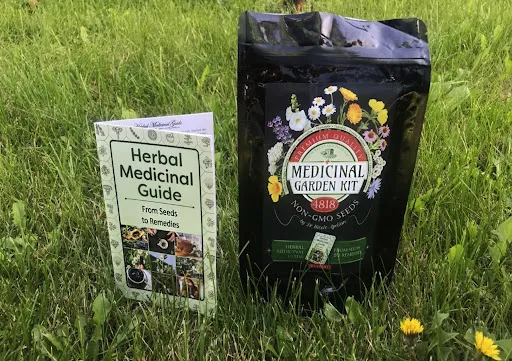
Tinctures: These are concentrated liquid extracts made by soaking herbs in alcohol (or vinegar for alcohol-free versions) for several weeks. Tinctures are more potent than teas and have a much longer shelf life — typically 3-5 years. A few drops under the tongue or in water can deliver powerful medicinal effects. The guide included with the kit provides detailed tincture-making instructions for each plant.
Salves and Ointments: These are topical preparations made by infusing herbs in oil, then combining with beeswax to create a soothing, spreadable balm. Calendula salve for wound healing, Lavender balm for burns, and Yarrow ointment for bruises are all classic herbal preparations that you'll learn to make from your garden herbs.
The History of Medicinal Plants in America
The use of medicinal plants in America predates European colonization by thousands of years. Native American tribes across the continent maintained extensive knowledge of local healing plants. The Cherokee used Echinacea for colds and infections, the Blackfoot used Yarrow for wounds, and numerous tribes relied on California Poppy for pain and sleep.
When European settlers arrived, they brought their own herbal traditions and quickly adopted Native American plant knowledge. For the first 200 years of American history, herbal medicine was the primary healthcare system. It wasn't until the rise of the pharmaceutical industry in the early 20th century that synthetic medicines began to replace plant-based remedies.
Today, the World Health Organization estimates that 80% of the world's population still relies on traditional plant-based medicine for primary healthcare. In the United States, the herbal supplement industry has grown to over $11 billion annually — a clear sign that Americans are rediscovering the power of plants. The Medicinal Garden Kit connects you to this ancient tradition by giving you the seeds and knowledge to grow your own medicine, just as our ancestors did.